
Posts by Nicholas Scritchfield
“Boiling Point”: How a Prominent Climate Podcast is Being Used as a Forum for Climate Greenwashing and Methodological Manipulations
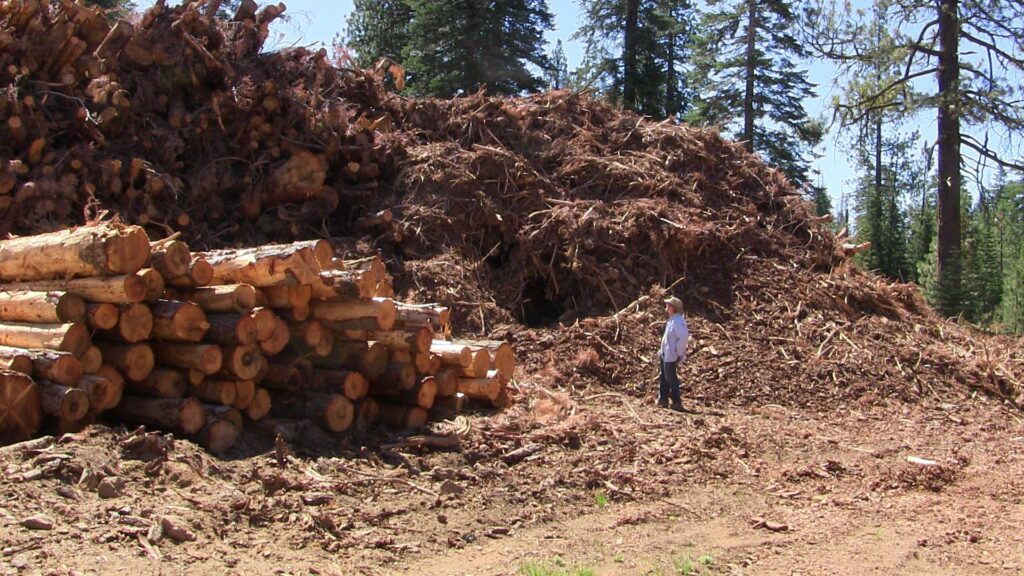
The new climate change deniers aren’t who you may think they are. They aren’t popping off about how climate change is a hoax. They aren’t ignorant, or obvious. They are smart, educated, and persuasive—at least on the surface. In essence, they admit climate change is real, but deny the climate consequences of logging, or even attempt to spin logging as a climate solution. This matters because, at this stage, it is not possible to overcome the most severe upcoming impacts of the climate crisis solely by shifting away from consumption of fossil fuels.
Read MoreA Shadowy “Coalition” is Destroying Giant Sequoia Groves on Public Lands
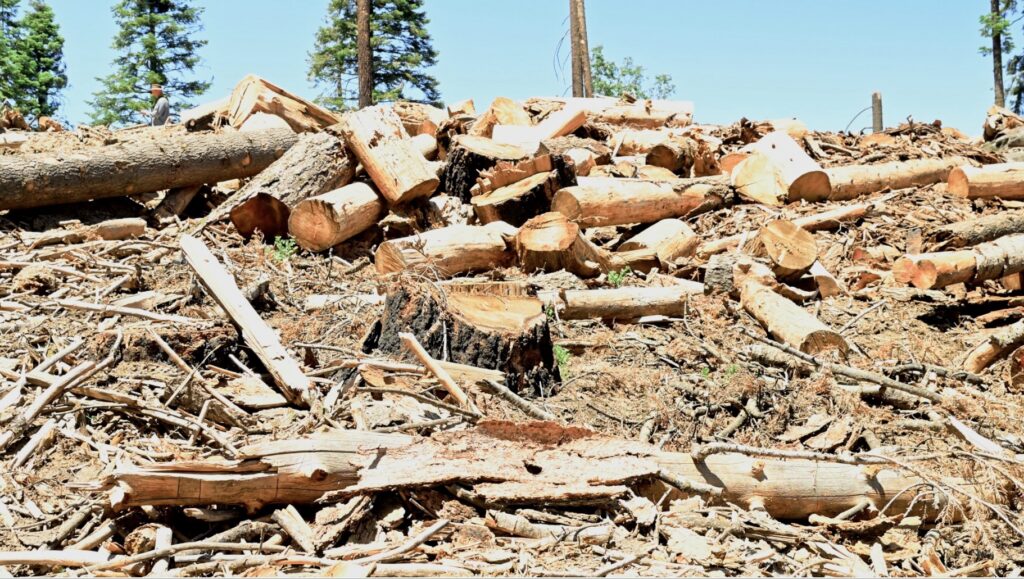
As I write this, a shadowy coalition is making substantial sums of money exploiting and destroying giant sequoia groves on public lands and lying about it. The “Giant Sequoia Lands Coalition” (GSLC), comprised of federal and California land management agencies and other entities financially involved in logging, is currently clearcutting old-growth stands, conducting large post-fire clearcut logging projects, and logging huge trees in the Giant Sequoia National Monument, and Yosemite National Park, within and adjacent to giant sequoia groves.
Read MoreSOS Logging Bill Fact Sheet
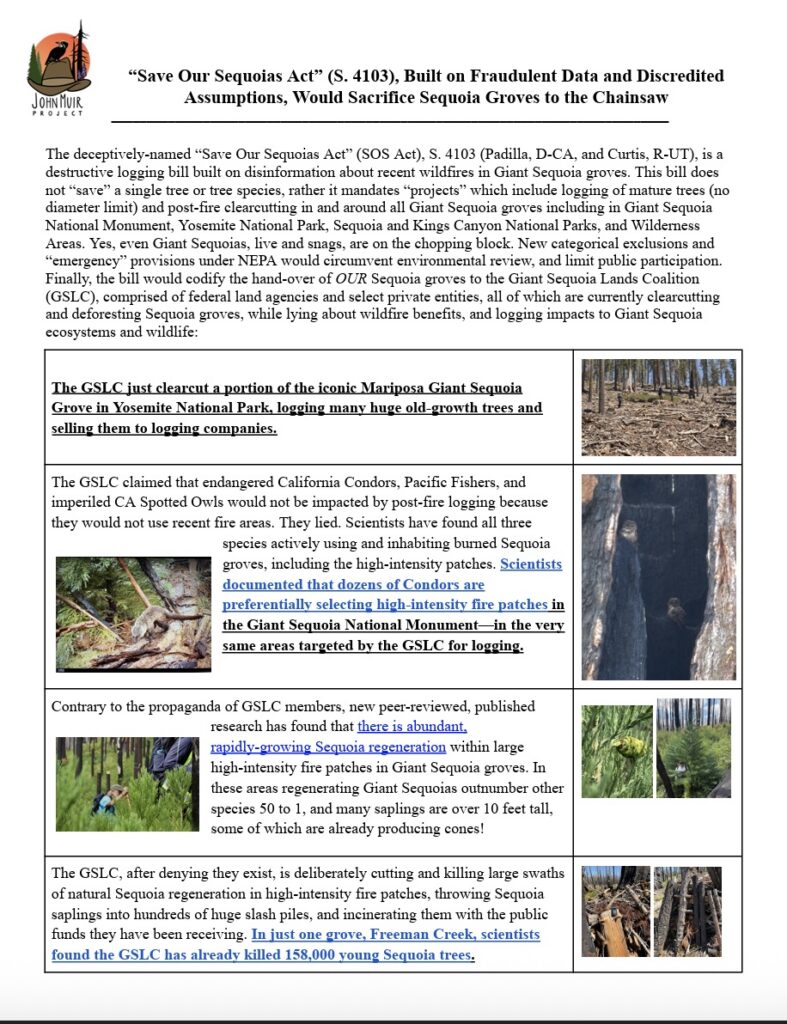
LTE | Response to “Bigger and Hotter Fires Are Erasing America’s Great Forests”
The New York Times
By Rachel Fazio
Over millions of years, these trees have adapted and evolved to cope with changing conditions. The only action that makes trees disappear is logging, now often referred to as thinning or fuels reduction, which has been ramping up over the past decade. If we stop cutting down our forests — pretending it will stop fires or save trees — nature will continue to show us what she can do. Prepare to be amazed.
Read MoreWhen Your Backyard Burns

Apparently, we have money to alter entire landscapes, but making the homes within those landscapes fire-ready is somehow beyond our scope. I believe the broader scientific evidence weighs strongly against so-called “fuels reduction” in wild ecosystems as an effective strategy for protecting communities, and does not support manipulating wildlands in an attempt to control fire. But you don’t have to agree with me about that to agree about what should come first. Before we keep spending billions to alter forest densities and celebrate the number of backcountry acres we log, let’s prepare our homes.
Read MoreNatural Regeneration Vs. Replanting: The Clash Over California’s Giant Sequoias
Earth Island Journal
By Paul Koberstein
The state’s iconic conifers are regenerating robustly post wildfire, yet a quasi-governmental coalition is pushing to repopulate forests with nursery-raised saplings. In October 2025, veteran Los Angeles Times reporter Doug Smith stepped into the charred sequoia forests of the southern Sierra Nevada expecting to find a tree species in retreat. After the brutal 2020 and 2021 fire seasons, federal scientists had warned that the giant sequoia was teetering toward collapse. Instead, Smith found the opposite.
Read MoreWebinar | The Truth About Forest Thinning
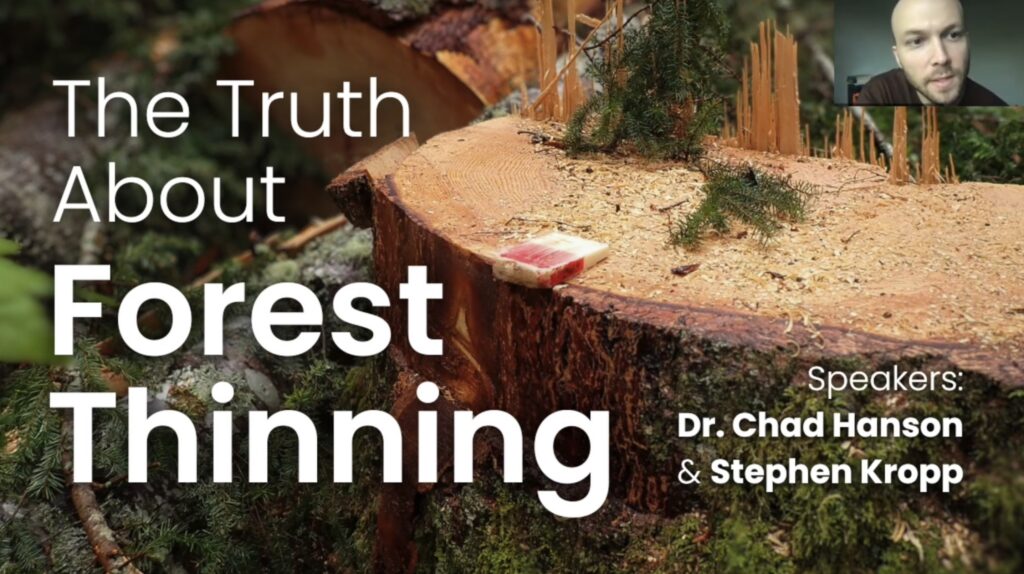
Clearcuts are widely understood to be detrimental to forests—but what about more selective forms of logging? In this webinar, Dr. Chad Hanson (Director and Principal Ecologist of the John Muir Project) and Stephen Kropp (President and Executive Director of the Legacy Forest Defense Coalition) examine the ecological consequences of thinning in the name of wildfire mitigation and forest health.
Read MoreFix Our Forests Act: A Faulty Solution to Wildfire
Earth Island Journal
By Paul Koberstein
The Fix Our Forests Act and the thinning directive from Secretary Rollins are part of a broader effort to dismantle decades of conservation policy and clear the way for the industrialization of America’s forests. Thinning is industrial-scale logging of the forest understory. Feller-bunchers shear off smaller trees along with larger ones that often help fund the operation. Masticators grind brush into a volatile, unmarketable layer of woody debris. That waste is then piled into SUV-sized mounds intended for burning.
Read MoreThe US Forest Service Is Creating Fuel for Fire Clouds
Earth Island Journal
By Paul Koberstein
Slash piles left behind from forest-thinning operations may be helping to generate pyrocumulonimbus fire storms, say researchers. Across the Sierra Nevada, these unburned piles have become a permanent fixture of the landscape, left to cure in the sun for years. More often than not, thinning projects here aren’t removing fuels but instead concentrating them. A supposed fuels-reduction project is helping to feed the fires.
Read MoreWill a logging project save the Blue Ridge Parkway from fire — or imperil it?
Asheville Watchdog
By Jack Evans
The federal government sees a dead tree as a sort of time bomb. In recent decades, and especially under President Donald Trump, land management agencies have seized on dead trees as a type of “fuel” powering destructive wildfires — despite a growing body of scientific research casting doubt on this position.
Read More