
Blog
“Boiling Point”: How a Prominent Climate Podcast is Being Used as a Forum for Climate Greenwashing and Methodological Manipulations
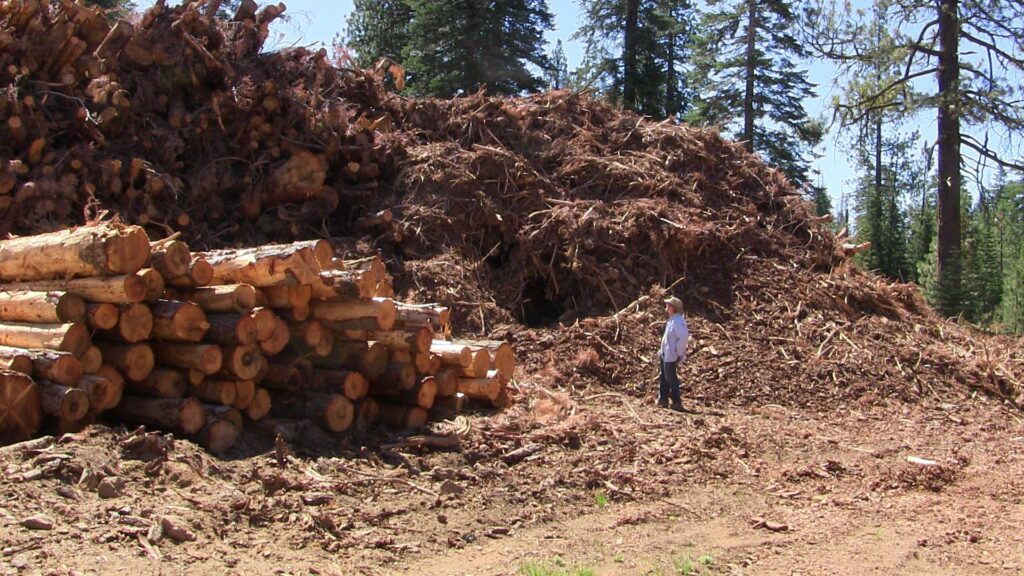
The new climate change deniers aren’t who you may think they are. They aren’t popping off about how climate change is a hoax. They aren’t ignorant, or obvious. They are smart, educated, and persuasive—at least on the surface. In essence, they admit climate change is real, but deny the climate consequences of logging, or even attempt to spin logging as a climate solution. This matters because, at this stage, it is not possible to overcome the most severe upcoming impacts of the climate crisis solely by shifting away from consumption of fossil fuels.
A Shadowy “Coalition” is Destroying Giant Sequoia Groves on Public Lands
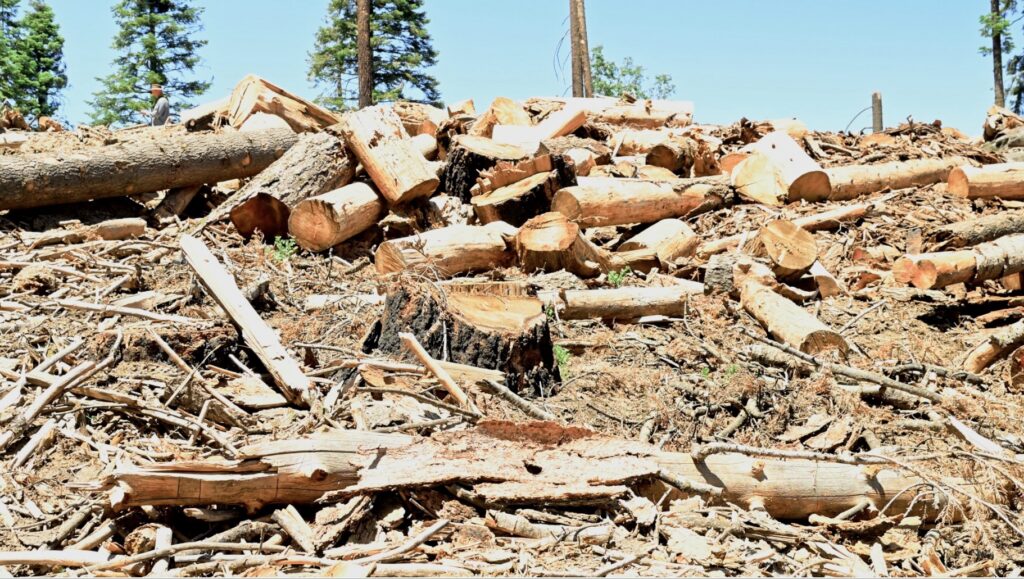
As I write this, a shadowy coalition is making substantial sums of money exploiting and destroying giant sequoia groves on public lands and lying about it. The “Giant Sequoia Lands Coalition” (GSLC), comprised of federal and California land management agencies and other entities financially involved in logging, is currently clearcutting old-growth stands, conducting large post-fire clearcut logging projects, and logging huge trees in the Giant Sequoia National Monument, and Yosemite National Park, within and adjacent to giant sequoia groves.
When Your Backyard Burns
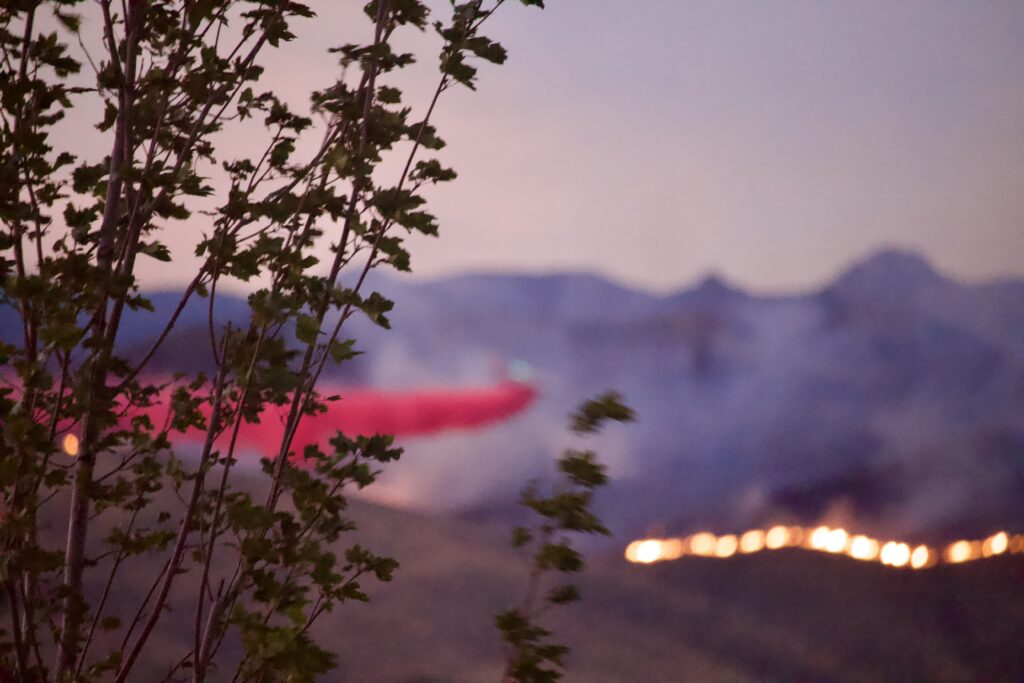
Apparently, we have money to alter entire landscapes, but making the homes within those landscapes fire-ready is somehow beyond our scope. I believe the broader scientific evidence weighs strongly against so-called “fuels reduction” in wild ecosystems as an effective strategy for protecting communities, and does not support manipulating wildlands in an attempt to control fire. But you don’t have to agree with me about that to agree about what should come first. Before we keep spending billions to alter forest densities and celebrate the number of backcountry acres we log, let’s prepare our homes.
Stop Celebrating the Loophole
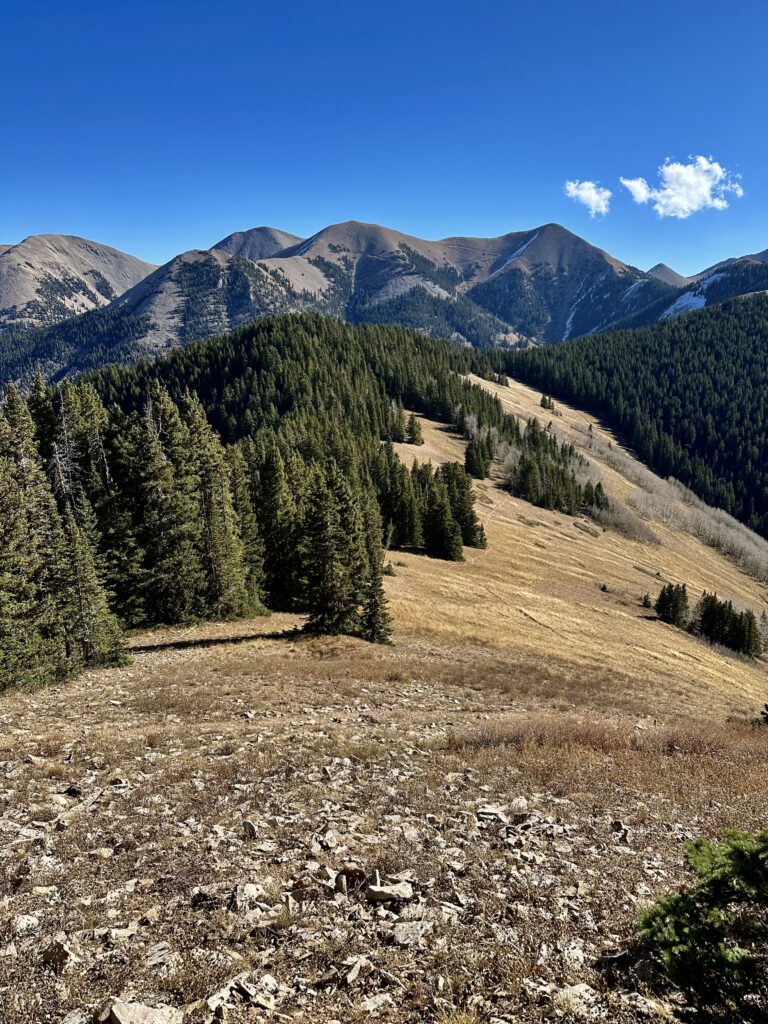
Mainstream groups’ talking point is specific: “treatments” are already allowed under the current rule, since it only bars new roads and industrial logging, and 34% of Forest Service fuel treatment activity between 2001 and 2019 already happened in roadless areas. To be clear, we do not support the rescission. It’s a bad-faith attack dressed up as wildfire policy, and it should be opposed. But opposing it doesn’t mean celebrating the talking points Democrats and mainstream groups have chosen to oppose it with.
Protected on Paper
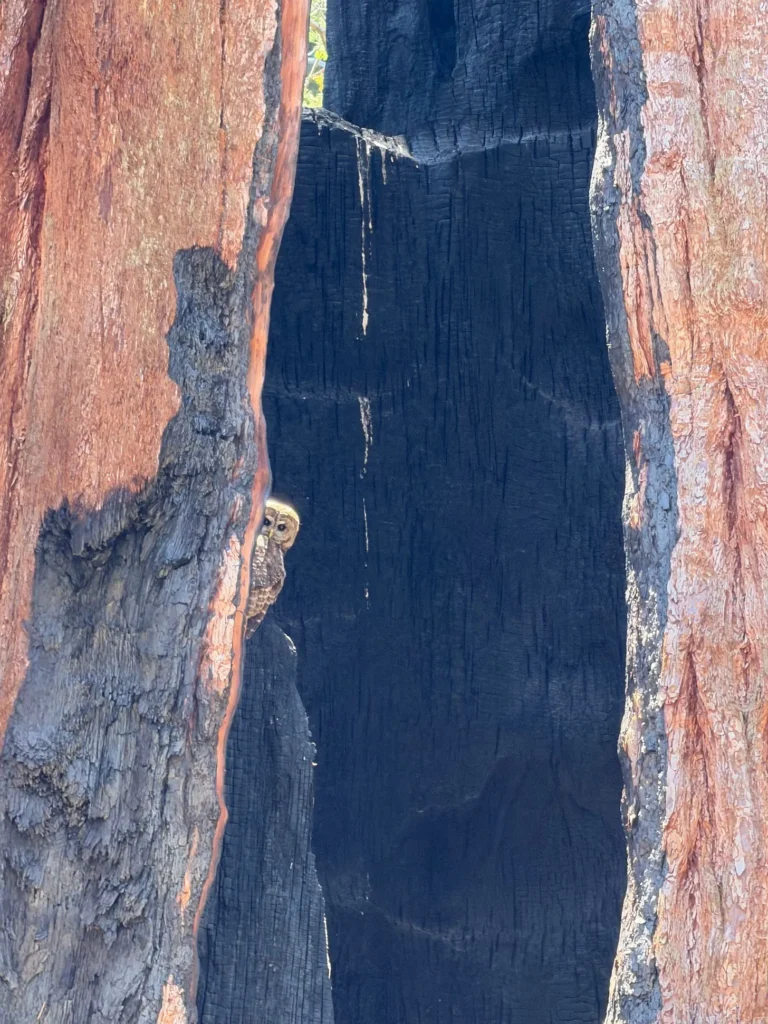
Field season is in full swing, and what we found in Freeman Creek Grove stopped us cold. Inside a giant sequoia snag — a standing dead tree that spotted owls depend on for nesting — we found a pair. Two spotted owls, same hollow, two days running. We think we know what that means: an active nest tree. We notified the Forest Service. The tree is tagged, meaning the agency already knows it exists. What followed was silence: no Protected Activity Center established, no enforcement of the buffers that federal protocol requires.
Fire Management Is the Story. Logging Is What’s Happening.
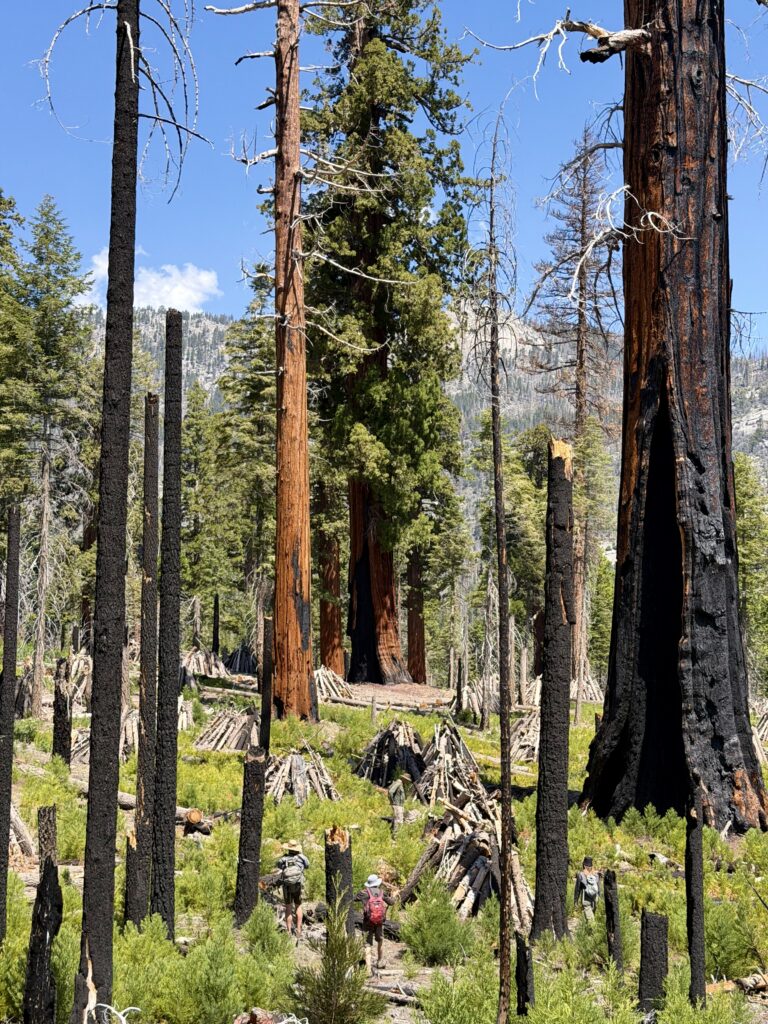
We just returned from another round of visits to the giant sequoia groves of the southern Sierra Nevada, and we came back with field observations from four sites and two new studies that dismantle nearly everything the agencies have been telling the public about sequoias, fire, and what these forests actually need. Here is what we saw.
Fire Is Not the Crisis. Logging Bills Called Wildfire Bills Are.
Democratic senators cannot continue lending credibility to the wildfire-as-extraction framework and then express surprise when that framework is used to extract. Every time a Democrat praises the underlying bill, cites its bipartisan credentials, or treats the Roadless Rule repeal as the only problem in the room, they provide institutional cover for a policy direction that degrades the ecosystems that regulate our climate and does nothing meaningful to protect the communities fire actually threatens.
Roundup Was the Symptom. The Intervention Reflex Is the Disease.
Having correctly identified that our national forests are being managed like tree farms — that the Roundup exists to clear the way for commercially valuable conifers — the film’s conclusion pivoted to: our forests don’t need Roundup. They need replanting and thinning. I understand the impulse. You’ve spent a year documenting institutional failure and you want to hand the audience a solution. But that solution is just Roundup with better PR. It is, in the most precise sense of the phrase, missing the forest for the trees.
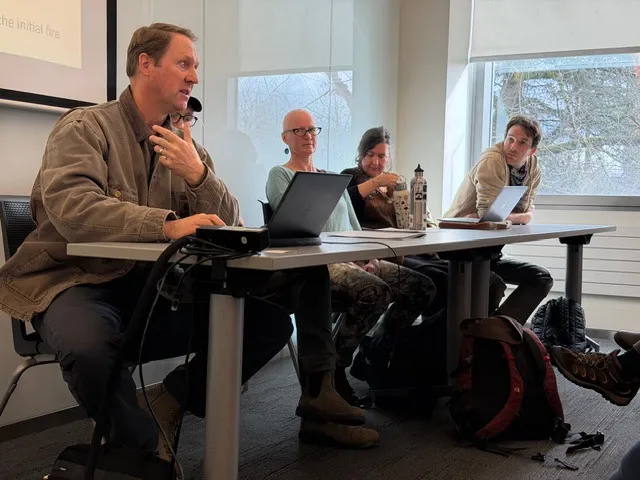
Fighting Back — and Dreaming Forward — at PIELC 2026
PIELC, The Public Interest Environmental Law Conference held at the University of Oregon, is a worthy experience, and I would recommend attending to any environmental attorney or activist.
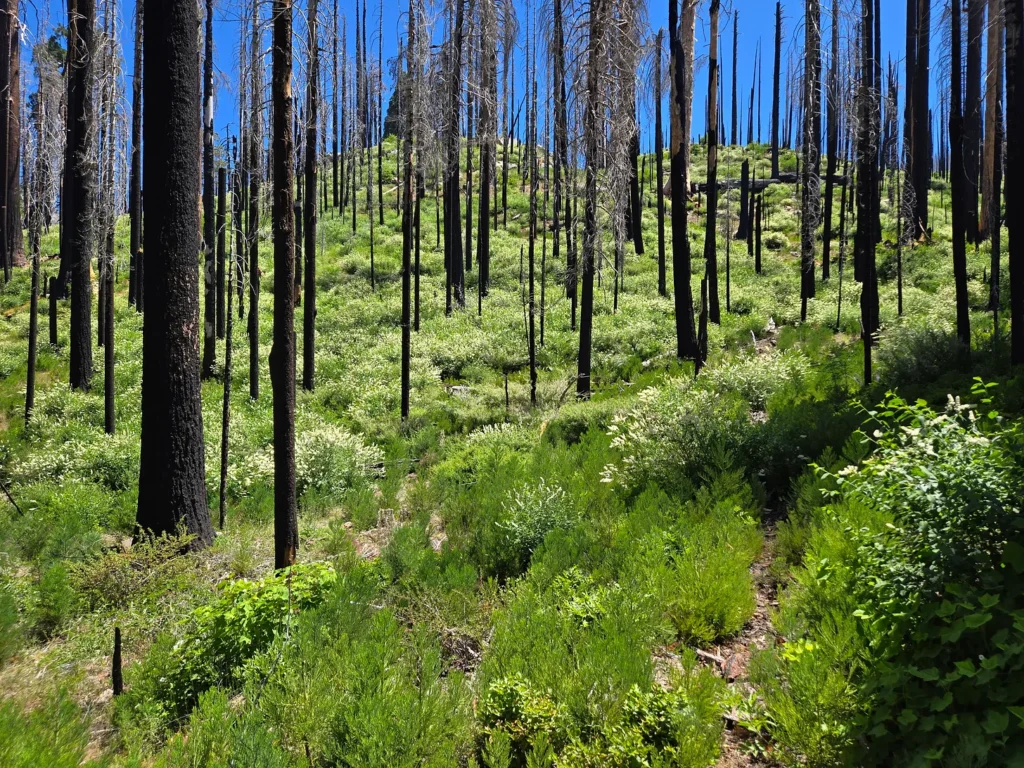
New Science Is Changing How We Protect Giant Sequoias—Policy Should Catch Up
Today, as public concern grows over their future in a changing climate, new science is confirming what these trees have been showing us all along: that high-intensity fire is essential to their survival story. These forests, shaped by varied natural disturbance processes over evolutionary timescales, carry within them a remarkable ability not just to persist, but to thrive after intense wildfire.

Losing Sight of Forest Ecology
Across North America, forests evolved with natural disturbance processes such as wildfire and cycles of native insects like bark beetles. The scale and intensity of these processes varied widely in a dynamic dance of constant change, shaping forest structure and the life within it.

Cut Food Aid, Log the Forests: The Farm Bill’s Cruel Bargain
This is not about protecting communities from wildfire. This is a blank check for the logging-industrial complex, written in the language of crisis.

The “Fix Our Forests Act” is a Wasteful, Destructive Con: Part 1
Fire is natural and ecologically essential in U.S. forests. There is no scientific disagreement about this. But a political narrative has been circulating in recent years, asserting that it is infeasible to simply manage public forests with fire because many are too dense, or have not burned in many decades.

Protecting Homes, Not Policing Forests
The real wildfire disasters occur when communities are impacted, and the real driver of community wildfire disasters is exposure: ember-driven, structure-to-structure ignition, a reality that the FOFA logging bill largely ignores.

They Voted While the Ashes Were Still Falling
Americans deserve wildfire legislation that defends people, not smoke-filled headlines. While tragedies like the LA fires rightly drew attention, the political narrative used them to push policy rather than reflect the broader reality.

Fire Works. FOFA Logs. Don’t Be Fooled.
Public lands and taxpayers deserve solutions grounded in demonstrated outcomes – not a logging-first narrative repeatedly contradicted by the very fires used to justify it.

Back From the Road, Back to the Fight
The early contours of “Reconciliation 2.0” are deeply concerning: punitive fees on environmental litigation, expanded categorical exclusions for forest management, and broader efforts to dilute procedural environmental protections under the banner of efficiency. These moves are not about resilience. They are about shifting power from communities and public accountability back toward concentrated interests.

A Solstice Salute: Gratitude, Nature, and a Reminder to Keep Speaking Up
As the year winds down, it’s worth taking a moment to celebrate the wild, wonderful forces of nature that shape our landscapes—from fire to flood to beetle outbreaks. These natural disturbances, often demonized in mainstream narratives, are actually the rhythms that sustain resilient forests and ecosystems. We’re also grateful for a little legislative good fortune:…

“Protection”? More Like Performance: Big Greens and Roadless Logging Loopholes
What we see here is a completely missed opportunity. The voters polled want Roadless Area protection; they want to protect wildlife. They are afraid of wildfire and want forests to be protected from wildfire, and they disfavor logging. Once you look at the facts and lean into correcting the misunderstandings, the path for a truly protective Roadless Rule is available.

FOFA Is the Wrong Approach — Here’s a Real Solution for Wildfire Protection
FOFA doesn’t protect homes. It prioritizes backcountry logging while removing public oversight and environmental review, giving federal agencies unchecked authority — all without ensuring communities are actually safer.

What Our FOFA Comment Section Reveals About Our National Wildfire Debate: Part 2 of 2
Misunderstanding the complexity of forests and wildfires: Calling them ‘complex’ shouldn’t be an excuse to manage them; it should be a reminder to listen. In Part 1, we unpacked some of the most common myths we see repeated about wildfire and forests; the ones that crop up under nearly every post about fire ecology. Part…

What Our FOFA Comment Section Reveals About Our National Wildfire Debate: Part 1 of 2
The Misinformation Machine and the Myths that Keep it Running Our recent series on the so-called “Fix Our Forests Act” (FOFA) drew in a gaggle of comments, many thoughtful and supportive, some misinformed, and some outright dismissive. Others repeated long-debunked talking points or revealed just how deep logging industry messaging runs. It was, in many…

The Rights of Nature, Remembered on the Road
Observations from the road, the forest, and the resilience of life. I’ve been struggling lately, with work and with words. Writing takes me hours, even full weekends, as I try to articulate the strife I feel and propose solutions rather than just complain. Yet I always end up tangenting — after all, it’s all connected.…

Forests Are Still on the Chopping Block During Shutdown Season
Shutdown season may freeze federal employees’ pay, but it does nothing to stop logging agendas and forest destruction as both remain on the fast track, exposing where the true priorities lie. Many federal employees are furloughed, offices sit empty, and essential government functions grind to a halt. Security and stability for ordinary Americans hang in…

When the Trees Don’t Quit, and the Seasons Keep Teaching
A walk through fall colors reminds us of resilience, the wisdom of trees and their networks, and what is still possible. I headed out to Golden Gate Canyon State Park this week to catch some of the local Colorado fall colors. The trail was paved in yellow, a soft carpet of fallen leaves that guided…

Defending Our Natural Sanctuaries
Preserving the Sanctuaries That Ground and Uplift Us All When I first arrived in Washington D.C., over a decade ago, I noticed how the first question after “What’s your name?” is often “Where do you work?” It reminded me of my time in Uganda, where the question was always “What’s your name?” and “Where do…

From Dialogue to Soundbite: A Disappointing First Interview Experience
Edited Out of Context: A Millennial in the Media Machine I recently participated in my first on-camera interview, for a segment on Stossel TV that had been pitched to me as a conversation about whether public lands should be sold for housing. In the interview, I explained that this is a manufactured crisis, and if…

Wildfire Fear and the Business of Logging
Tomorrow, the House Natural Resources Committee will hold a hearing titled The State of Our Nation’s Federal Forests. The title alone sets the tone: as if our forests are in crisis, waiting for Congress and industry to swoop in with chainsaws and prescriptions. This isn’t the fault of a single administration or party. For decades, political…

Losing Sight of Wilderness Fuels Misguided Fire Policy
When abstract reasoning ignores the science: how lofty ideas about wilderness mislead wildfire policy. Last week, the Los Angeles Times’ Noah Haggerty published a Boiling Point newsletter piece titled, “To solve the wildfire crisis, we have to let the myth of ‘the wild’ die.” It argues that John Muir’s belief in protecting wilderness as “untouched”…

True Climate Action: Why We Must Protect, Not “Manage,” the Evergreen State’s Forests
Washington’s Climate Plan: A Step Forward on Forest Protection, but a Step Back on Fire and Bioenergy. Washington state is often a leader in climate policy, so it was encouraging to see its new Draft Comprehensive Climate Action Plan (CCAP) recognize the crucial role our forests play in fighting climate change. The plan correctly identifies…