
Blog
“Boiling Point”: How a Prominent Climate Podcast is Being Used as a Forum for Climate Greenwashing and Methodological Manipulations
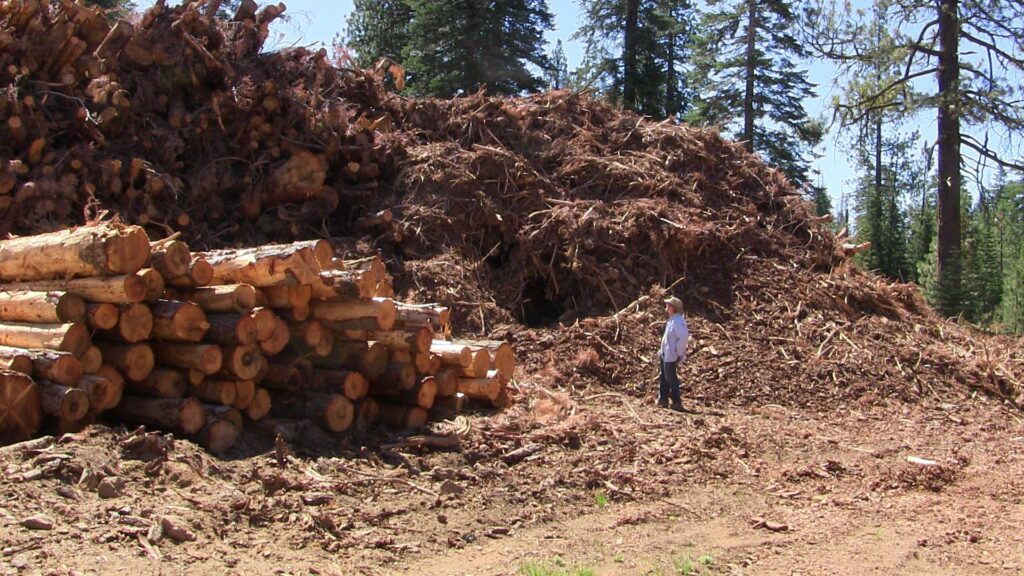
The new climate change deniers aren’t who you may think they are. They aren’t popping off about how climate change is a hoax. They aren’t ignorant, or obvious. They are smart, educated, and persuasive—at least on the surface. In essence, they admit climate change is real, but deny the climate consequences of logging, or even attempt to spin logging as a climate solution. This matters because, at this stage, it is not possible to overcome the most severe upcoming impacts of the climate crisis solely by shifting away from consumption of fossil fuels.
Read MoreA Shadowy “Coalition” is Destroying Giant Sequoia Groves on Public Lands
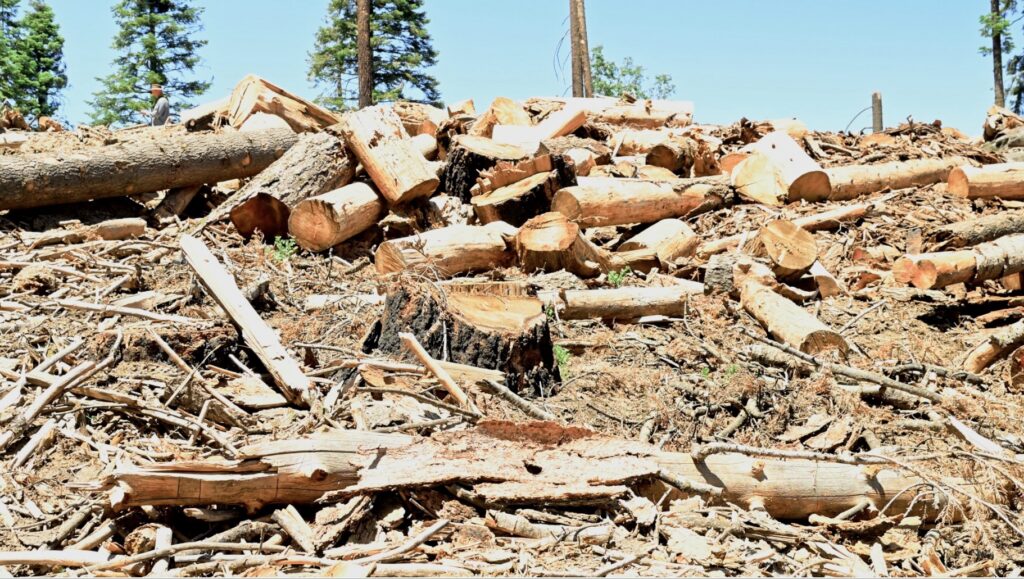
As I write this, a shadowy coalition is making substantial sums of money exploiting and destroying giant sequoia groves on public lands and lying about it. The “Giant Sequoia Lands Coalition” (GSLC), comprised of federal and California land management agencies and other entities financially involved in logging, is currently clearcutting old-growth stands, conducting large post-fire clearcut logging projects, and logging huge trees in the Giant Sequoia National Monument, and Yosemite National Park, within and adjacent to giant sequoia groves.
Read MoreWhen Your Backyard Burns

Apparently, we have money to alter entire landscapes, but making the homes within those landscapes fire-ready is somehow beyond our scope. I believe the broader scientific evidence weighs strongly against so-called “fuels reduction” in wild ecosystems as an effective strategy for protecting communities, and does not support manipulating wildlands in an attempt to control fire. But you don’t have to agree with me about that to agree about what should come first. Before we keep spending billions to alter forest densities and celebrate the number of backcountry acres we log, let’s prepare our homes.
Read MoreStop Celebrating the Loophole
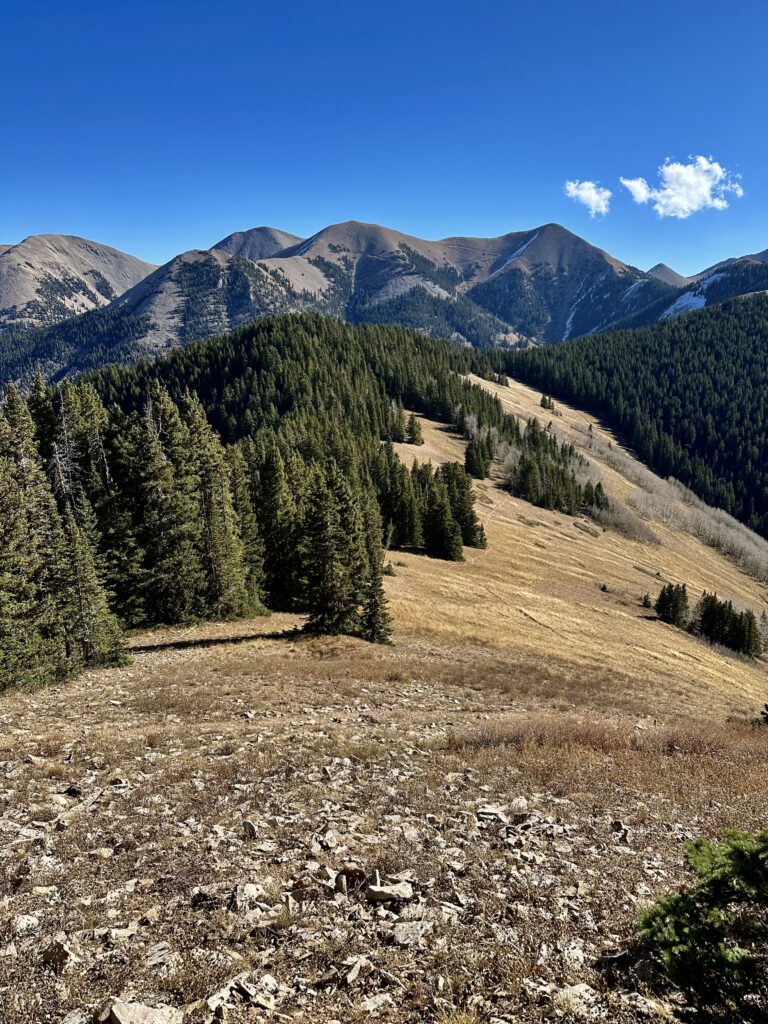
Mainstream groups’ talking point is specific: “treatments” are already allowed under the current rule, since it only bars new roads and industrial logging, and 34% of Forest Service fuel treatment activity between 2001 and 2019 already happened in roadless areas. To be clear, we do not support the rescission. It’s a bad-faith attack dressed up as wildfire policy, and it should be opposed. But opposing it doesn’t mean celebrating the talking points Democrats and mainstream groups have chosen to oppose it with.
Read MoreProtected on Paper
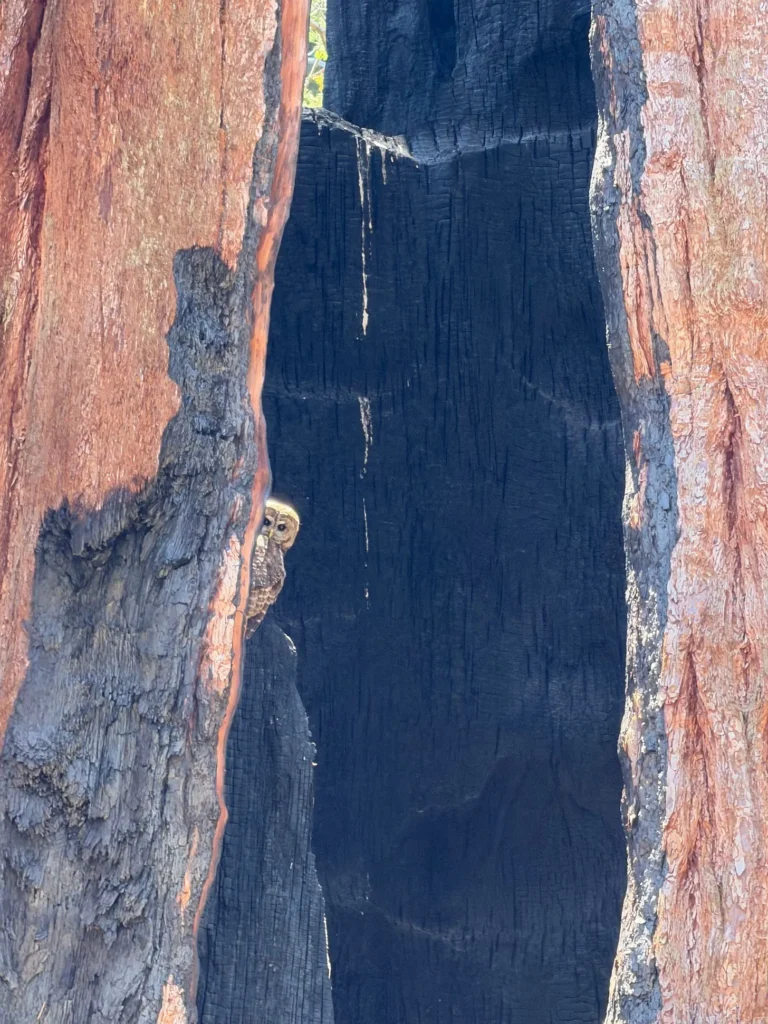
Field season is in full swing, and what we found in Freeman Creek Grove stopped us cold. Inside a giant sequoia snag — a standing dead tree that spotted owls depend on for nesting — we found a pair. Two spotted owls, same hollow, two days running. We think we know what that means: an active nest tree. We notified the Forest Service. The tree is tagged, meaning the agency already knows it exists. What followed was silence: no Protected Activity Center established, no enforcement of the buffers that federal protocol requires.
Read MoreFire Management Is the Story. Logging Is What’s Happening.
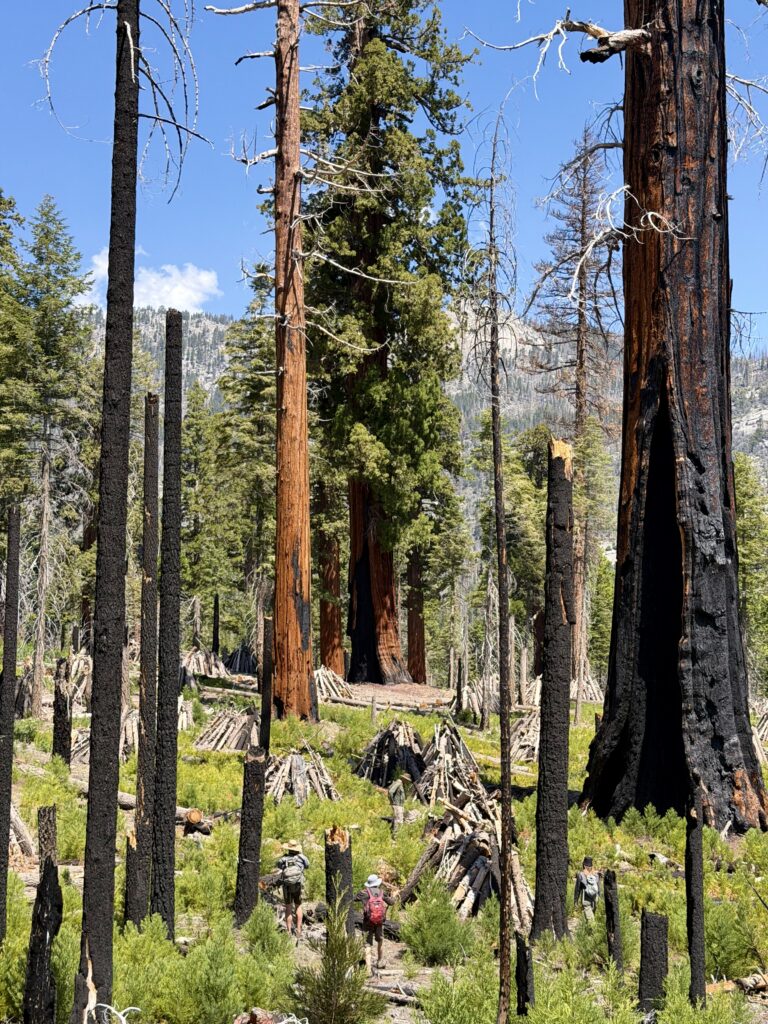
We just returned from another round of visits to the giant sequoia groves of the southern Sierra Nevada, and we came back with field observations from four sites and two new studies that dismantle nearly everything the agencies have been telling the public about sequoias, fire, and what these forests actually need. Here is what we saw.
Read MoreFire Is Not the Crisis. Logging Bills Called Wildfire Bills Are.
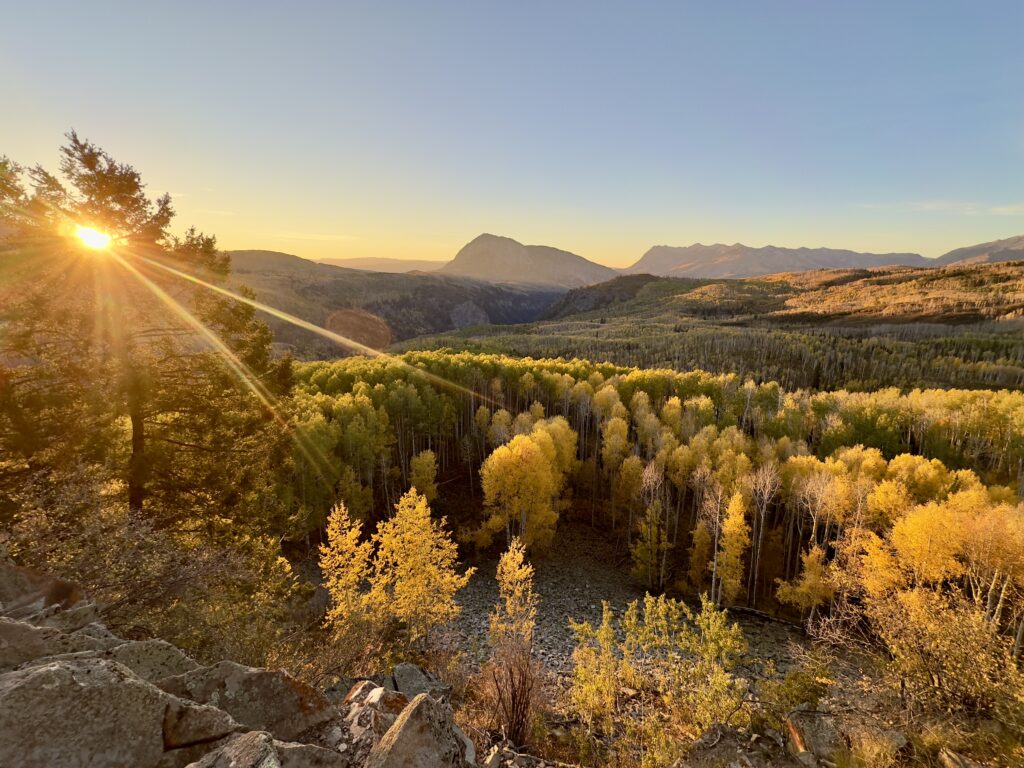
Democratic senators cannot continue lending credibility to the wildfire-as-extraction framework and then express surprise when that framework is used to extract. Every time a Democrat praises the underlying bill, cites its bipartisan credentials, or treats the Roadless Rule repeal as the only problem in the room, they provide institutional cover for a policy direction that degrades the ecosystems that regulate our climate and does nothing meaningful to protect the communities fire actually threatens.
Read MoreRoundup Was the Symptom. The Intervention Reflex Is the Disease.
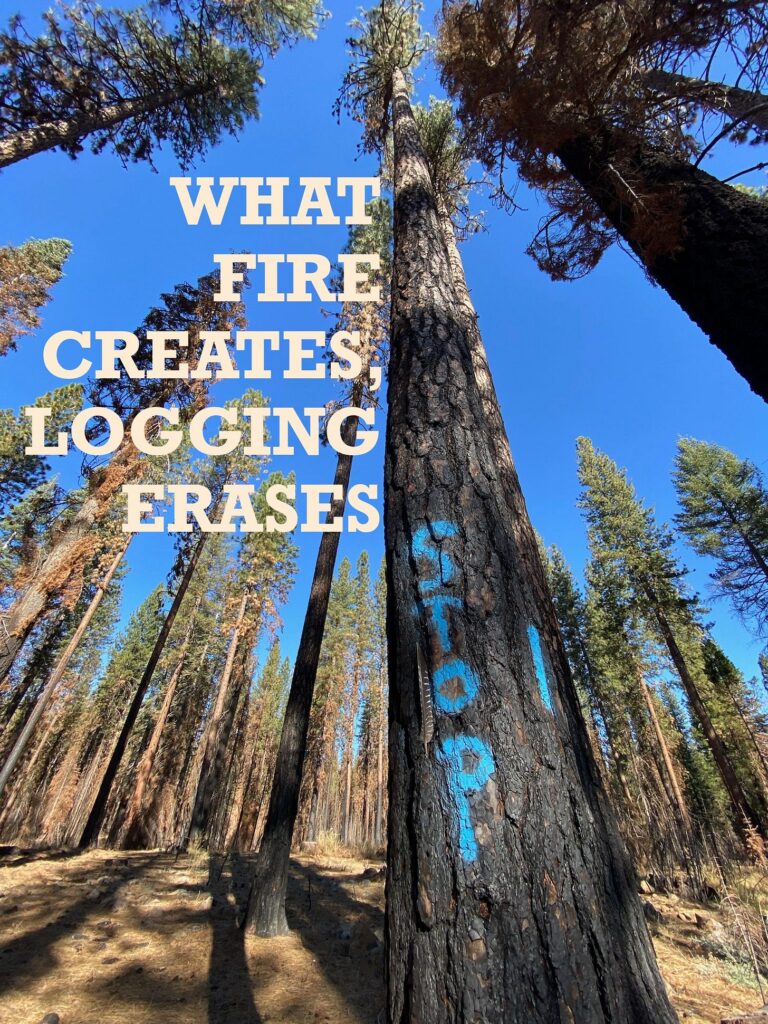
Having correctly identified that our national forests are being managed like tree farms — that the Roundup exists to clear the way for commercially valuable conifers — the film’s conclusion pivoted to: our forests don’t need Roundup. They need replanting and thinning. I understand the impulse. You’ve spent a year documenting institutional failure and you want to hand the audience a solution. But that solution is just Roundup with better PR. It is, in the most precise sense of the phrase, missing the forest for the trees.
Read MoreFighting Back — and Dreaming Forward — at PIELC 2026
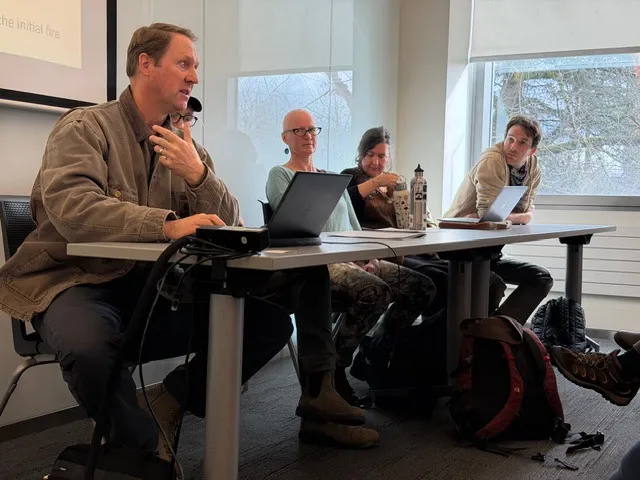
PIELC, The Public Interest Environmental Law Conference held at the University of Oregon, is a worthy experience, and I would recommend attending to any environmental attorney or activist.
Read MoreNew Science Is Changing How We Protect Giant Sequoias—Policy Should Catch Up
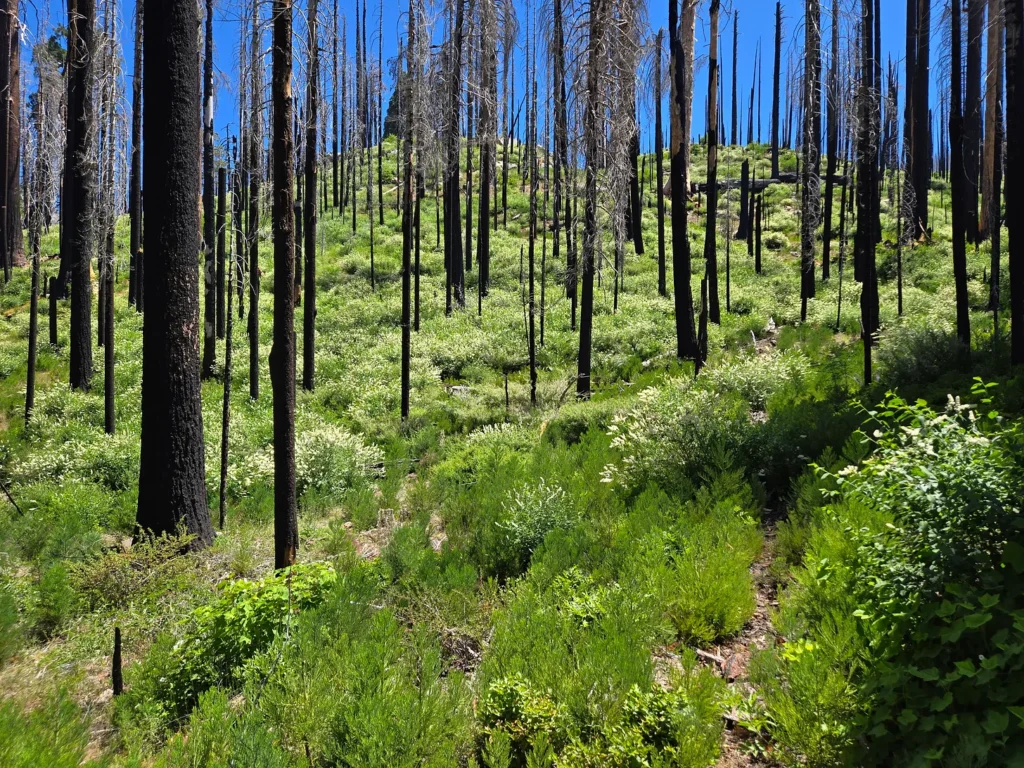
Today, as public concern grows over their future in a changing climate, new science is confirming what these trees have been showing us all along: that high-intensity fire is essential to their survival story. These forests, shaped by varied natural disturbance processes over evolutionary timescales, carry within them a remarkable ability not just to persist, but to thrive after intense wildfire.
Read More